

Intro
Thanks to Saul at Camera Electronic and Fujifilm Australia, for letting me get my hands on the brand new Fujifilm GFX100RF before it officially landed. I was given 24 hours and a simple brief: go have some fun with it. No strings, no script. Just shoot and see what it could do.
So that is exactly what I did.
This blog is not sponsored or edited by anyone but me. It is my take after a day of putting the GFX100RF through its paces. I took it straight into the streets of Perth’s CBD, weaving through Prince Street, Howard Street and Mercantile Lane before sunrise. Between the moody urban textures, a splash of street art and shifting light, it was a solid testing ground for this medium format beast.
As we dive down the page, one thing I can say is this little bit of kit genuinely surprised me. As someone who is firmly deep in the rabbit hole of aerial photography, it takes a lot to drag me back up the hole and out into the world of other photography. It wasn’t just fun to use, it was creatively fun — with some simple additions making it a creative weapon coupled with that HOOGE sensor. As you will see below, it gave me a proper taste of life outside the sky, and I might just start popping up for air more often.
Maybe.
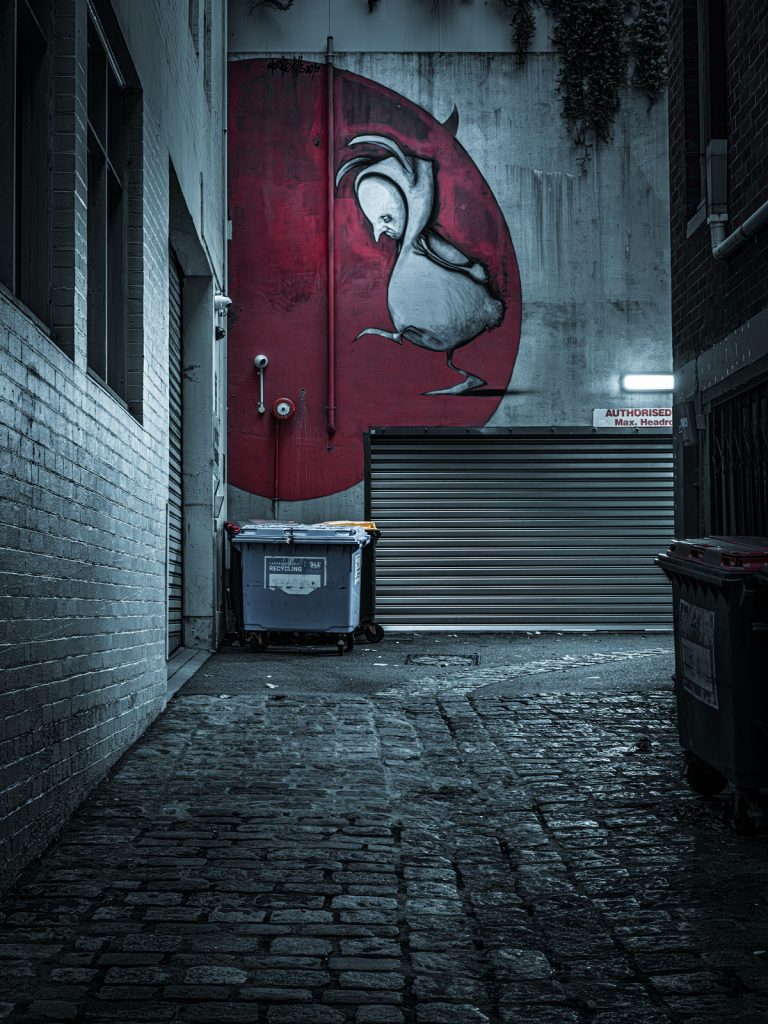
24 hours, 102MP, and the raw texture of Perth’s streets, the perfect testing ground
First Impressions: A 102MP Powerhouse in Disguise
It’s one thing to read a spec sheet, but it’s another to hold a camera like this in your hands at 5am in a quiet city laneway. It felt odd walking around with what is essentially a 102-megapixel medium format camera that didn’t look like it was about to shoot the cover of Vogue. No Titanic-sized lenses. Just a surprisingly compact form factor and a camera strap that felt custom-made for a long day of shooting.
Sure, it took me about an hour of cursing as I fumbled through settings, but once dialled in, this camera felt like an extension of my creative process. Very cool little bit of kit and in my head I kept thinking, “the big little dude,” so that’s what we’ll call it.
GFX100RF Specs Breakdown
- Sensor: 102MP 43.8 x 32.9mm CMOS II HS (Medium Format)
- Processor: X-Processor 5
- ISO Range: 80 to 12,800 (expandable to 40 to 102,400)
- Autofocus: Hybrid AF with 8.0-stop subject detection
- Burst Shooting: Up to 7fps
- IBIS: None
- Video: 4K/30P 10-bit 4:2:2 internal
- Weather sealing: Yes
- Weight: Approx. 948g (body only)
- Key features: Crop ratio (focal length) dial, aspect ratio dial
Before Sunrise: The Quiet Alleyways
With the assignment being go and play for 24 hours, I had to be pretty targeted. I wanted to pick a location that would showcase its sheer power but also somewhere I could access easily while walking around. The alleyways of Prince Lane, Mercantile Lane, and Howard Lane fit the bill perfectly. The goal was to get a bit of street light work early on, which came at Howard Lane, and then let the sun rise and work my way through the rest of the lanes. This really felt like a place where the camera would be completely at home, and I wasn’t wrong.
At 5am, wandering back alleys with the GFX100RF felt oddly peaceful. Just me, the early light, and the texture of the city. I started on a tripod for some longer exposures, then as the light came up, I switched to handheld.
Even without IBIS, the GFX100RF held up. I pushed it to ISO 3200 and was pleasantly surprised. Files came out usable and full of subtle tonal transitions. A few years ago, I was using the Phase One XF + IQ1 50 and wouldn’t dare go above ISO 800 for my work. Fuji has clearly done some serious work on how this sensor handles noise and it’s testament to how far everything MF related has come in just a few years .
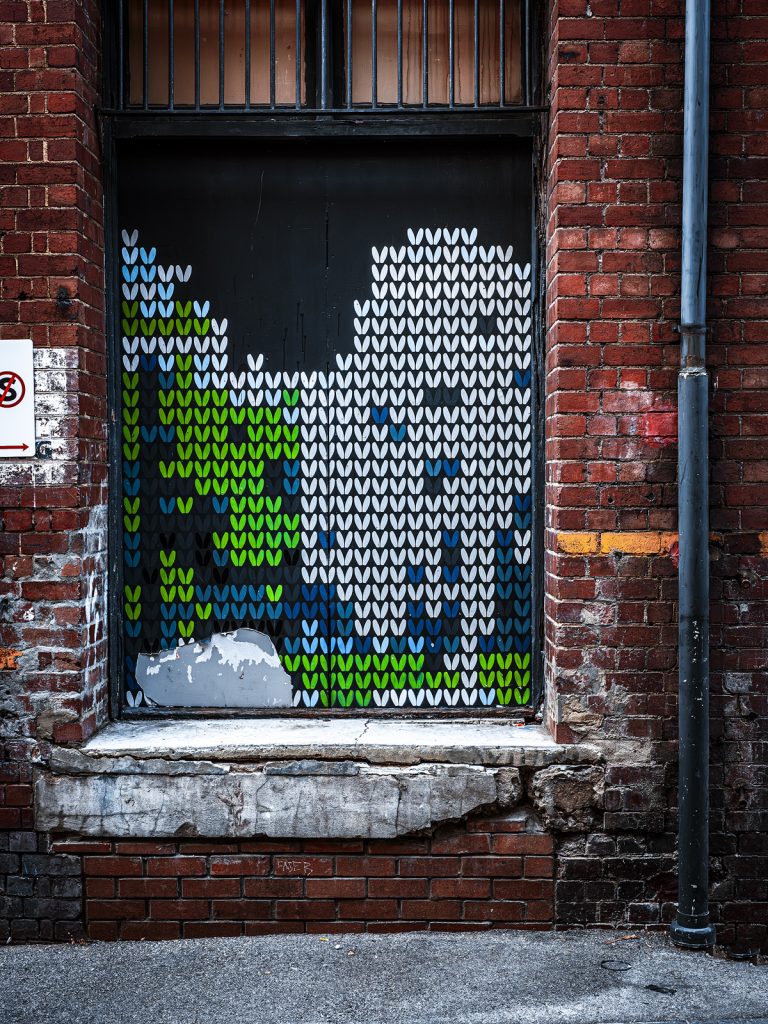
Post dawn stillness. Shot handheld.
Crop Dial and Aspect Ratio Dial: Creative Tools
This was my first time properly using Fuji’s new crop ratio dial, which functions like a focal length switcher, and honestly, I loved it. At first, it annoyed me because I kept hitting it by accident, but once I got the hang of it, it became second nature.
It let me cycle through digital crops quickly and intuitively while walking through tight laneways. You lose megapixels, sure, but when you’ve got 102 to play with, it’s not a worry. Even cropped in tight, the files are rich with colour and detail. It lets you reframe creatively on the fly without fumbling with menus or losing momentum.
Same goes for the aspect ratio dial. I mostly shot vertical compositions for this series, but knowing I could quickly explore 1:1 or 16:9 opened up creative possibilities. Both dials feel like they’re made to keep your ideas flowing.
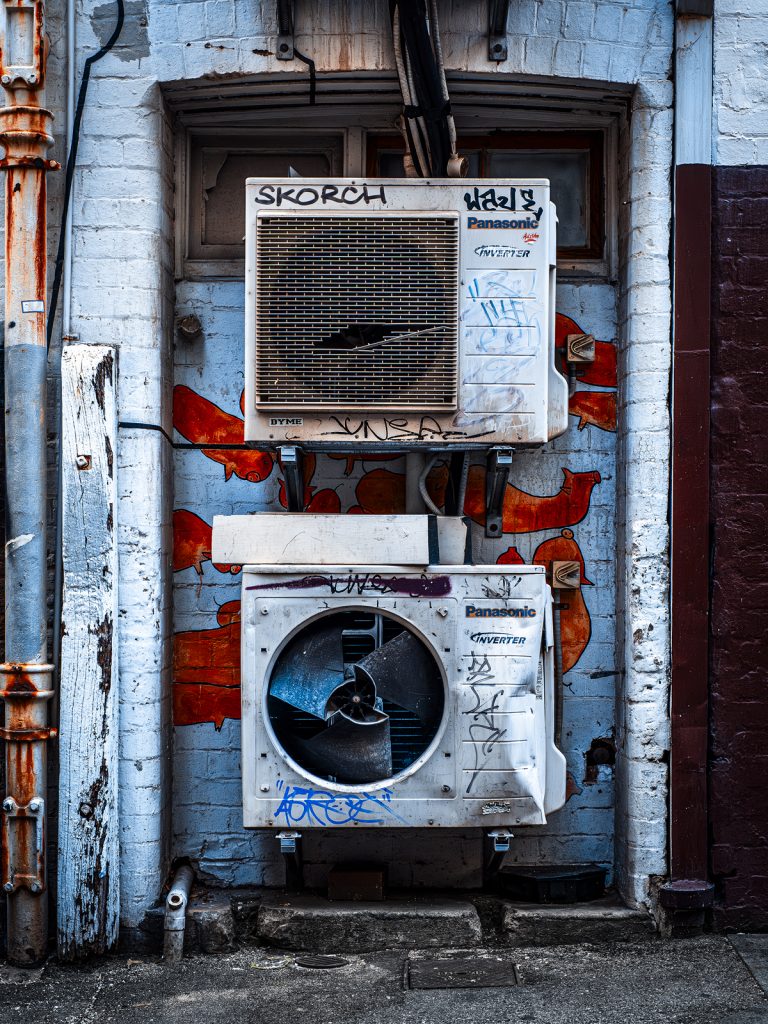
Digital crops on the fly, perfect for tight laneways and shifting compositions
Ergonomics and Build
This thing is surprisingly compact for what it offers. For someone with big hands, it felt solid but never clunky. I appreciated the updated strap design too, super comfy for all-day carrying. It’s kind of wild holding a medium format system that doesn’t scream “serious commercial job” at every passer-by. You blend in, and it lets you shoot in urban settings without attracting too much attention.
There were a few hiccups early on, hitting the crop dial when I didn’t mean to and toggling settings accidentally, but give it an hour and it all falls into place.
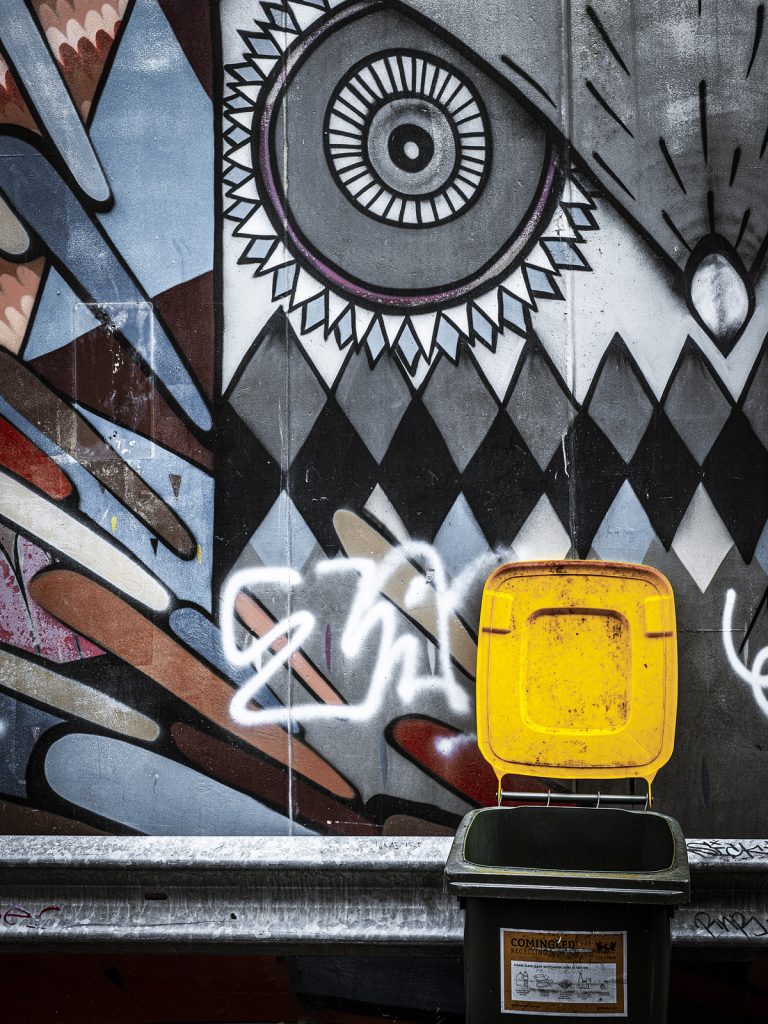
it didn’t weigh me down during the entire shoot, which was a nice change!
File Handling and Editing
Once I got the files back into Lightroom, one word came to mind: YES. Or maybe it was WOW. Either way, it hit hard. The colour rendering is just ridiculous. Deep, accurate, juicy. There’s a real 3D quality to these images, that medium format magic where it almost feels like you can step into the frame.
As I move through my usual RAW workflow it becomes instantly clear just how much information these files hold. A quick flick of a slider reveals it all. For me that’s a big win because it turns the camera into an even more powerful creative tool that perfectly complements the kind of work I do.
I normally shoot multiple exposures and blend highlights and shadows, but with this sensor’s dynamic range, I was balancing it all in one frame. It’s just such an awesome modern luxury having this much DR in files let alone this much data!
Also, shoutout to a subtle trick I noticed. When you use the crop dial, the full image is still there in Lightroom, just slightly faded outside the crop box. If you want to adjust the composition later, you can. That’s a small detail, but a clever one.
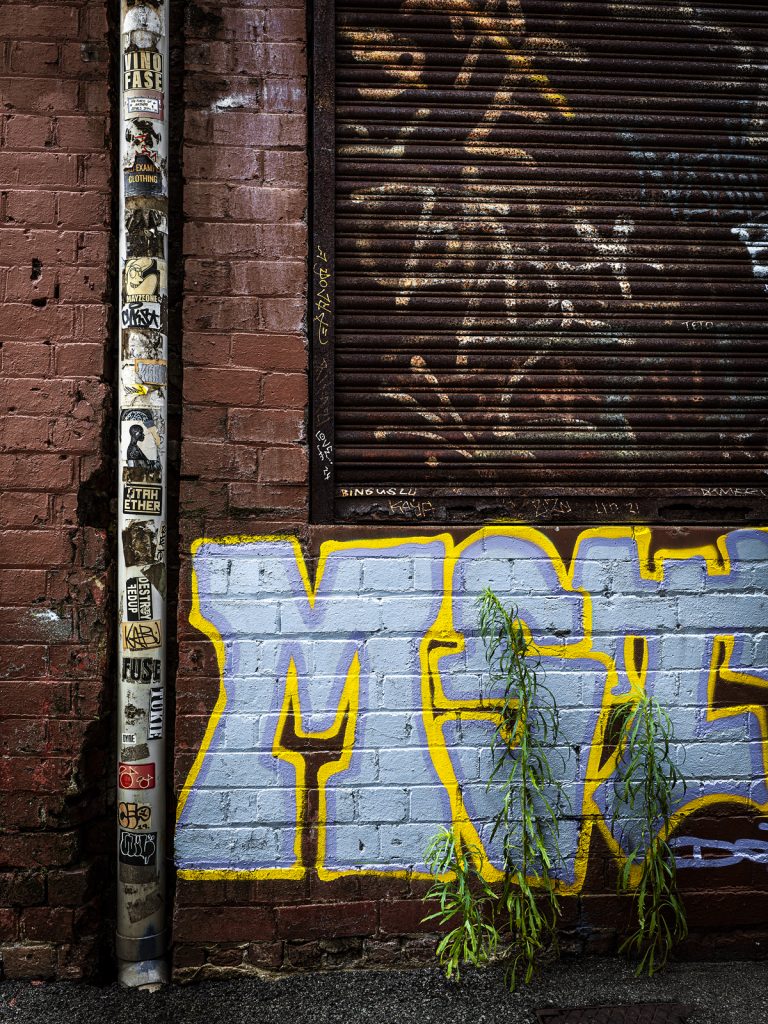
The files are rich, punchy, and full of depth. This wall was a perfect test.
Spotlight on Perth’s Street Artists
Perth’s laneways are adorned with remarkable street art, transforming the urban landscape into an open-air gallery. During my 24-hour journey with the Fujifilm GFX100RF, I had the privilege of photographing some of these captivating artworks. Here are the artists behind the murals in Howard Lane, Mercantile Lane, and Prince Lane:
Howard Lane
- Stormie Mills: Known for his monochromatic palette and emotive characters, Stormie Mills has two standout pieces, “The Swing Overlooking the Field” and “The Conversation.” Both pieces carry deep narrative weight and were an absolute dream to capture on the GFX100RF.
- The Yok: With his whimsical, creature-filled piece “Night Forest,” The Yok brings movement and wonder to the laneway.
Prince Lane
- A 2013 makeover brought a collaboration of WA artists to Prince Lane:
- Leanne Bray, Clare McFarlane, Denise Brown, Stephen Genovese, Jae Criddle, and Paul Caporn all contributed colourful, historically inspired works.
- Stormie Mills also added “The Lost Giant,” a piece that was one of my personal favourites to photograph. The detail and expression matched the GFX sensor perfectly.
Mercantile Lane
While not as heavily documented, Mercantile Lane is full of hidden gems and raw expression. It added a grittier, more textured visual style that worked brilliantly with the colour depth of the GFX100RF.
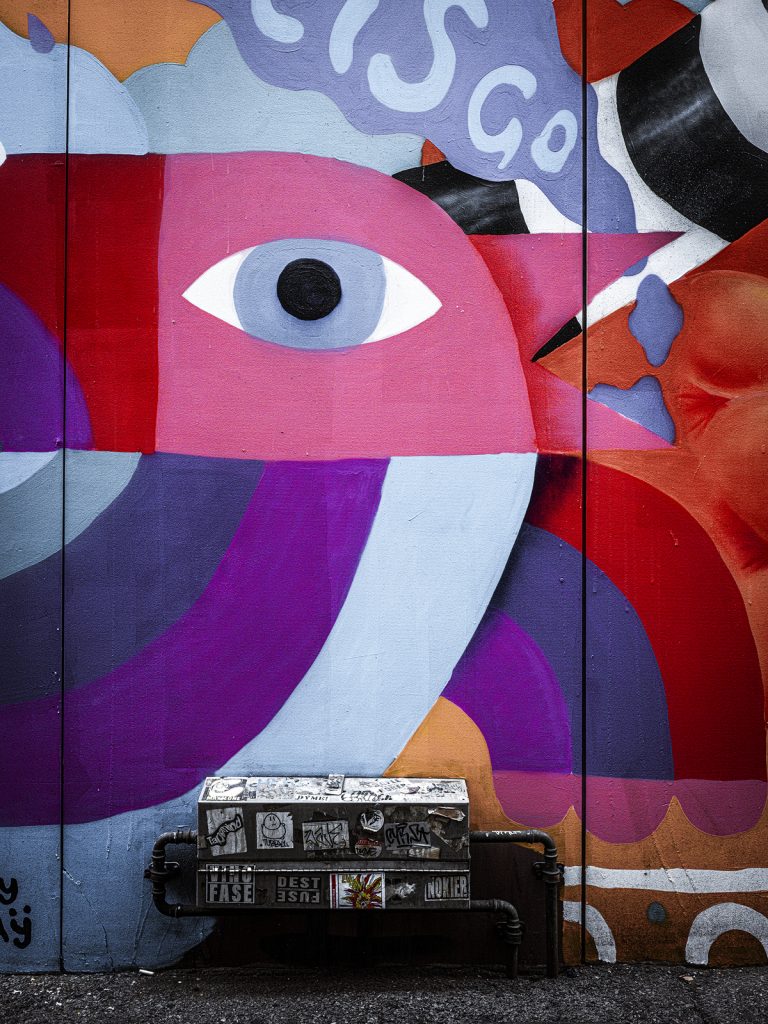
My Favourite Image
Without a doubt, it was Stormie Mills’ piece. The subtle contrast and tonal range in that artwork just sung on this camera. It gave me all the dynamic range and creamy transitions I needed to process it with intent, not rescue. And for a camera to get out of the way like that, to just let you focus on seeing and creating, that’s the real magic.
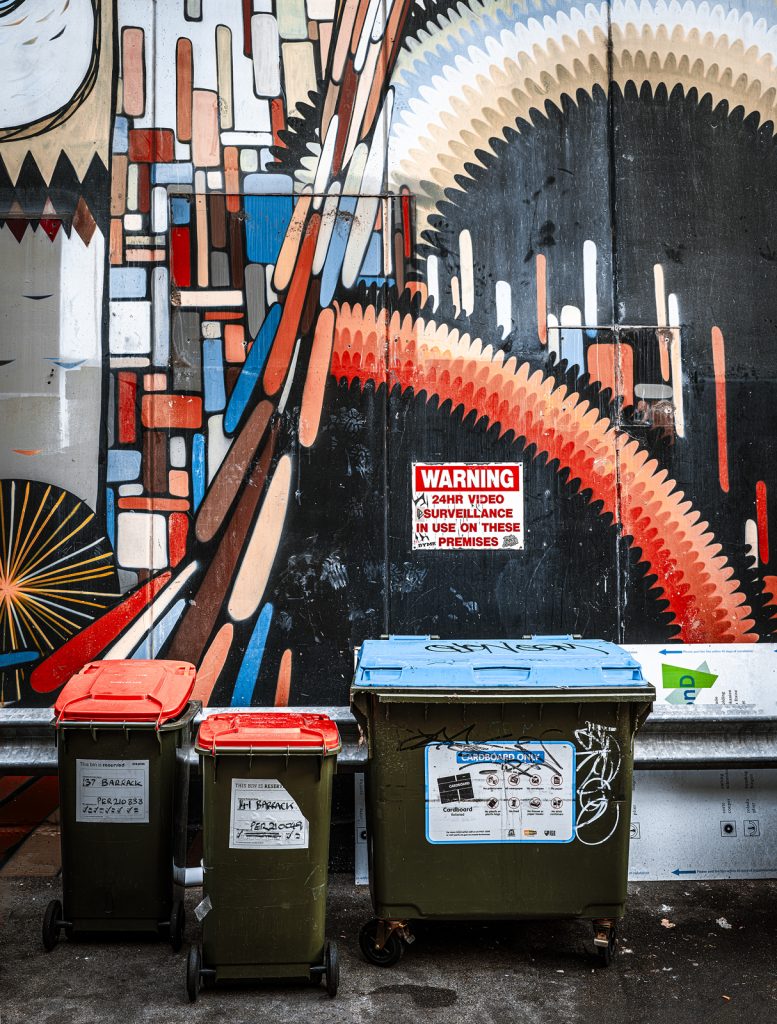
Nothing like some bins and street art early in the morning.
Final Thoughts
The Fujifilm GFX100RF surprised me in all the right ways. The ergonomics, the creative tools, and the colour science all felt like they were working with me. It handled ISO brilliantly, delivered stunning files, and felt intuitive once I settled in. It doesn’t have IBIS, and it’s limited down to f4, but that never became an issue for the way I work.
Although this camera is fixed focal length and for me and my aerial work it wouldn’t be ideally suited, I’ll be the first to admit it. But when it comes to anything urban landscape, street, or architectural, this would be it. Hands down. I just feel you can’t go past the sheer power packed into this camera. And while Fuji, in a way, limited us with f/4, no IBIS, and a fixed lens, they also opened up creative freedom by including the dials for focal length and aspect ratio. These sound like small things, but once you start working with the camera, it all begins to flow. It comes together in a way that makes complete sense and just lets you create. That’s the key I found with my 24 hours with this camera. It doesn’t get in the way, even though you’d think with its so-called shortfalls it would, but it doesn’t. It quickly became fluid, and I can imagine this would be such an incredible tool in the city streets of India, the bustling corners of L.A., or even as a road trip landscape setup. At $8.7k here in Australia, it’s a serious contender for this kind of work. All in one, all done. Just head out and enjoy the creative freedom, not to mention those epically juicy files waiting for you when you hit the editing table.
Big thanks again to Saul at Camera Electronic and to Fujifilm Australia for the early access. This kind of support means a lot when you’re pushing your work and trying new creative tools. The images shared in this post were all edited, but if you’re curious about the untouched RAWs, I’ll leave a Dropbox link at the bottom of this article.
-
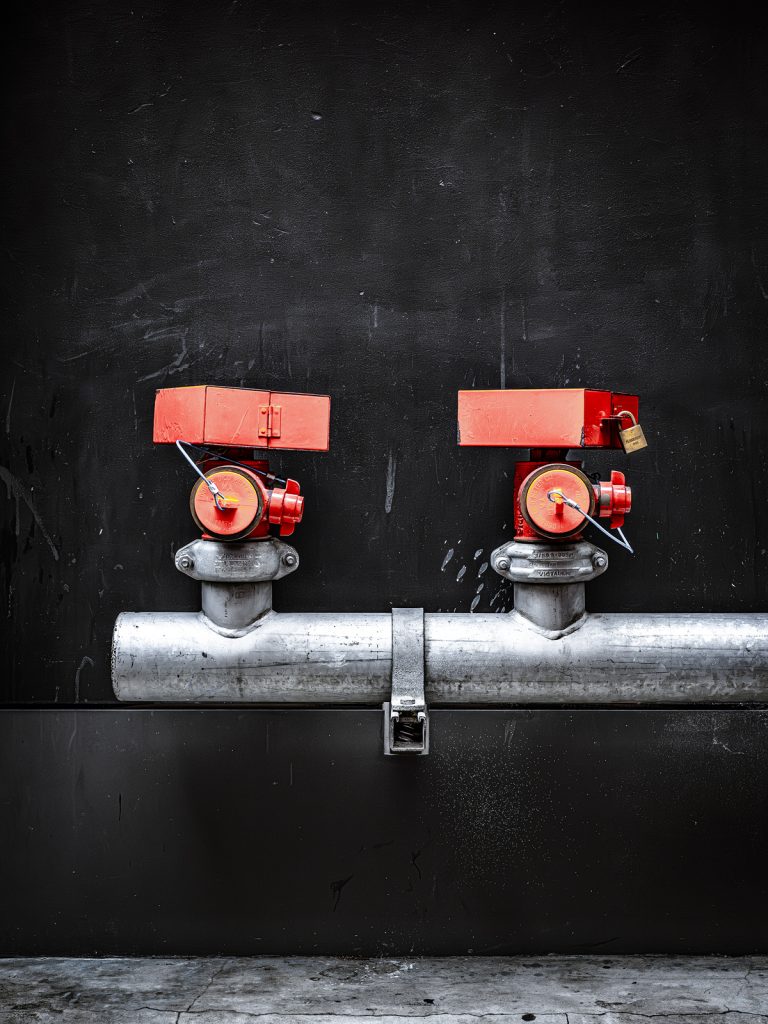
- Fire Hydrants Why Not?
-
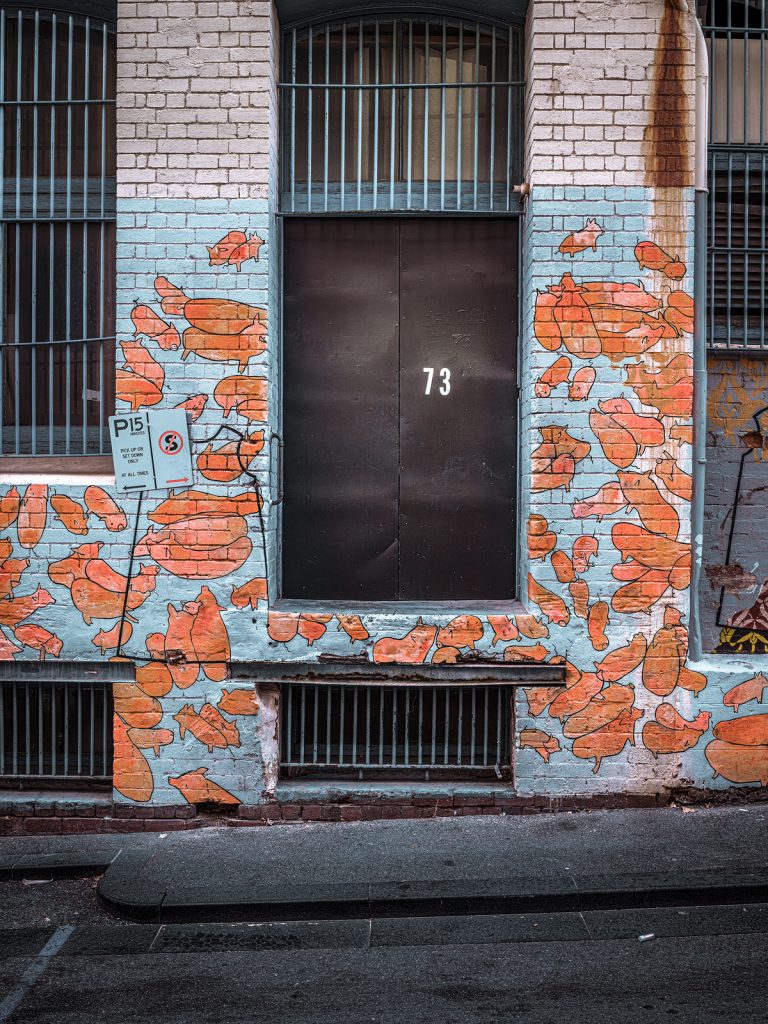
- How beautiful and subtle was this piece
-
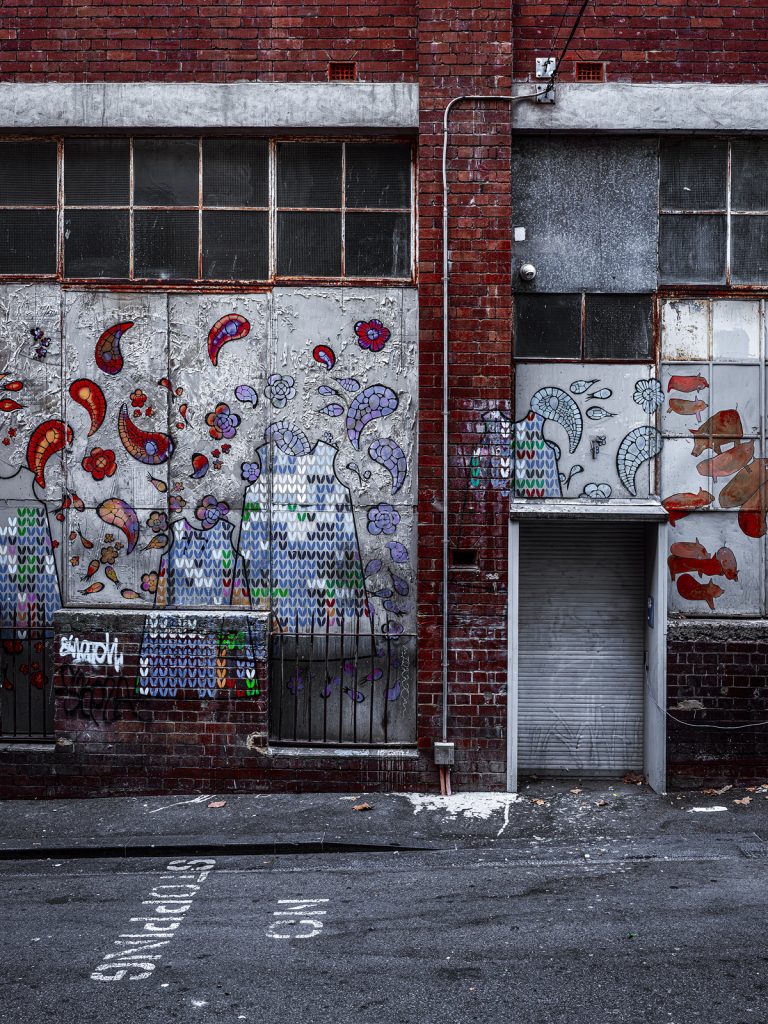
- You’ll be impressed when you load these files up
-
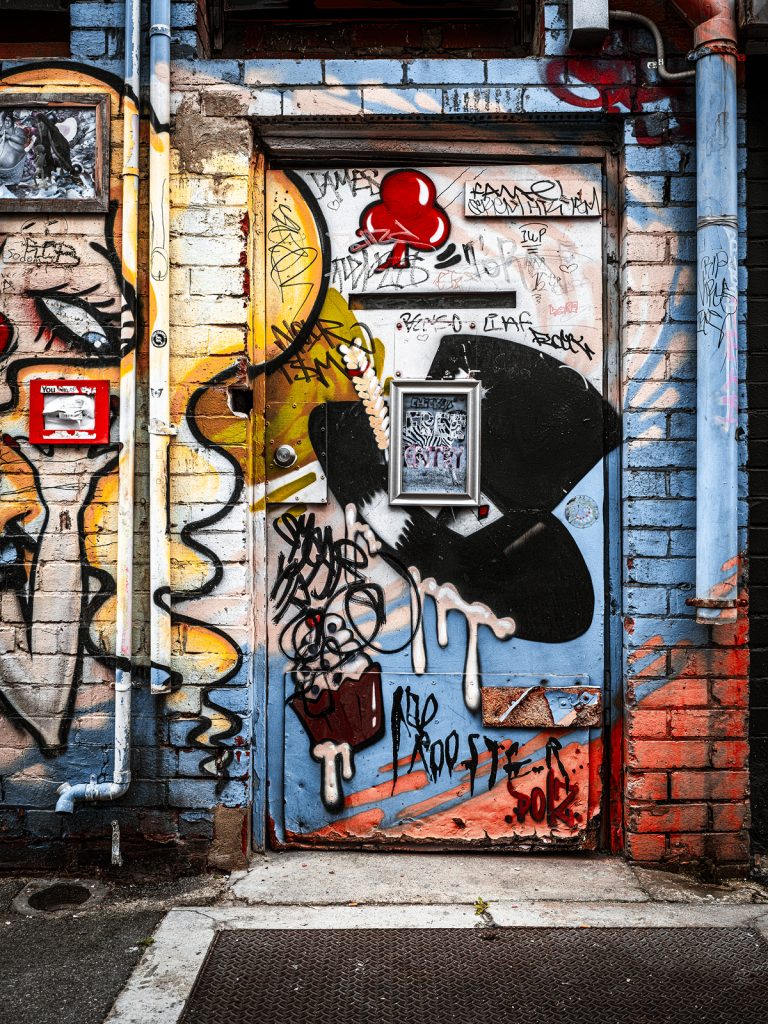
- My time was short but the experience was super positive
If you’re not already, feel free to follow me @scottjonphotography on instagram
Tags: #FujifilmGFX100RF #GFX100RF #MediumFormat #CameraElectronic #FujifilmAustralia #StreetPhotography #UrbanPhotography #PerthPhotographer #ScottJon #GFXSeries #PhotographyGearReview #StreetArtPerth #StormieMills
Link Credits:
- Stormie Mills: https://www.facebook.com/StormieMills1/
- Leanne Bray on Prince Lane: https://www.leannebray.com.au/public-art/prince-lane
- Camera Electronic: https://www.cameraelectronic.com.au/
- Fujifilm Australia: https://fujifilm.com/au
RAF FILES : Dropbox Link Click Here


I really enjoyed the review Scott, it looks like a fab camera for exactly this kind of work and street photography for which I shoot a lot of. I’ll definitely keep the camera in mind, of course I want it but need to justify it at for the price!
Thanks Sean, It was a fleeting moment with the camera but an enjoyable one 🙂 I’m off to the U.S in August and I’m contemplating adding this to my bag for some of the “on the run” work i’ll be doing, it’s just so powerful but handy when wanting to be quick and mobile.