

Let’s start with the truth: tailings ponds aren’t supposed to be beautiful. They’re the byproduct of industry, the slurry left behind after minerals have been extracted from ore. And yet, from a few thousand feet above, camera in hand, doors off, rotor blades thudding in your ears, they unfold into a surreal landscape of painterly shapes, rich colour palettes, and stark human contrast. The contradiction is hard to ignore. On the one hand, these are sites of environmental strain and potential hazard. On the other, they’re deeply compelling to look at, even mesmerising.
Over the last 12 years, I’ve 70+ hours photographing these ponds from the air across Western Australia: Kalgoorlie, Wagerup, Pinjarra, Kwinana, and Worsley. They’ve become a recurring subject in my body of work, both as abstract compositions and as a deeper commentary on our relationship with land, consumption, and consequence. These flights aren’t just photographic exercises, they’re quiet reflections on how we reshape the earth and what visual stories remain in the aftermath.
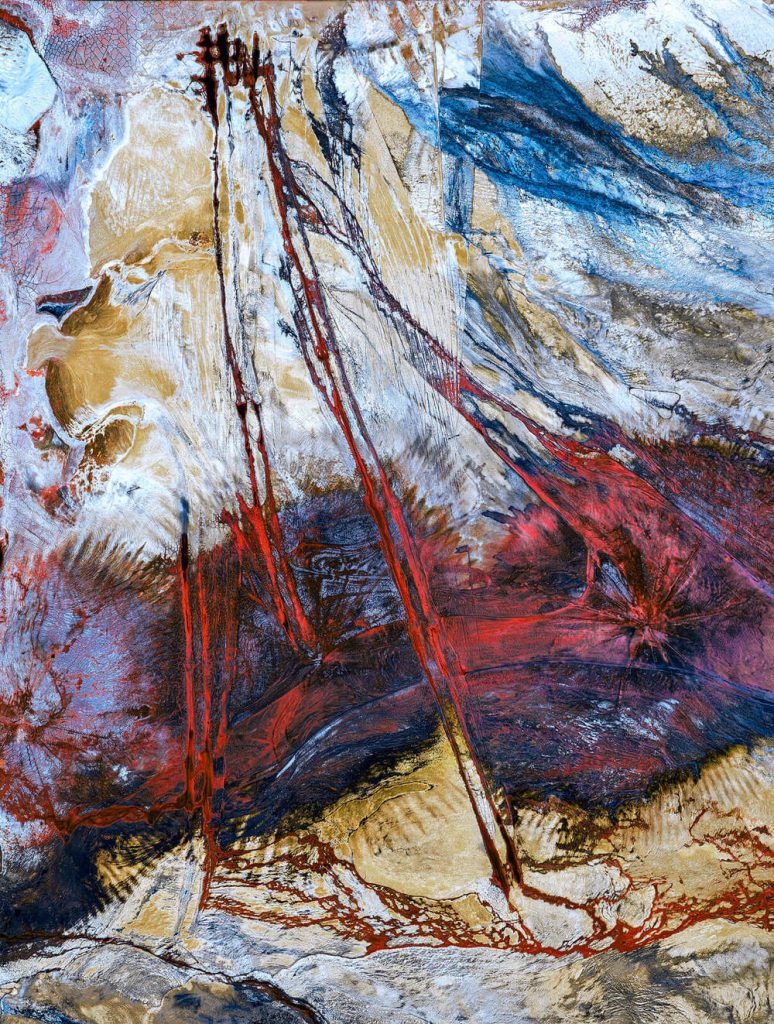
Taken over Alcoa in a Cessna 172 on the Phase One
What Are Tailings Ponds?
Tailings ponds are engineered basins used to store the waste material left after mining operations separate valuable metals or minerals from ore. In WA, particularly in bauxite and alumina operations like Alcoa and South32’s Worsley, tailings are typically a mix of red mud, water, and residual chemical compounds such as caustic soda. Bauxite mining plays a huge role here. After the ore is processed and the alumina is extracted, the remaining slurry is stored in expansive containment areas that change constantly in both structure and hue.
These ponds serve several purposes:
- Storing hazardous byproducts safely and securely
- Allowing solids to settle while liquids evaporate or get recycled
- Preventing contamination via engineered levees, liners, and consistent environmental monitoring
To dive deeper:
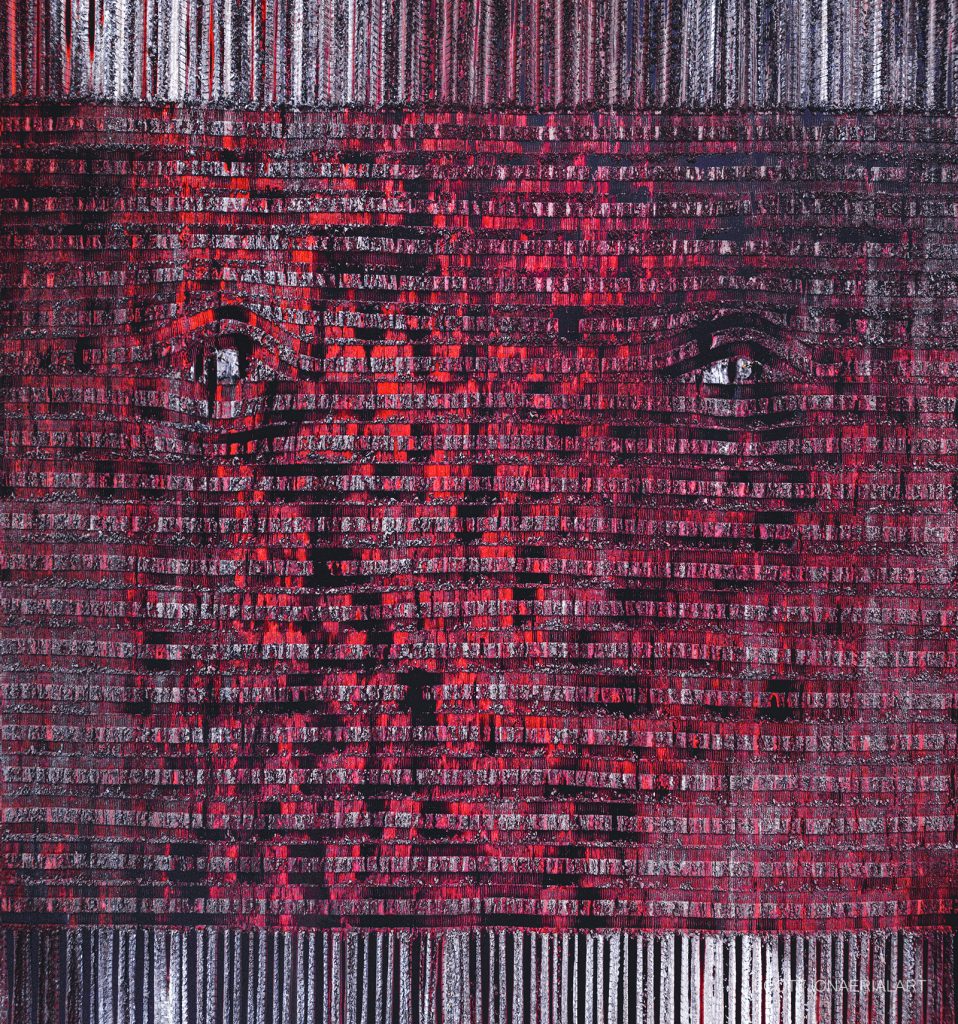
Captured over Worsley
Aerial Perspective: How Tailings Become Art
From the ground, tailings ponds look like engineered containment zones. But from the sky, they’re transformed. Boundaries blur into brushstrokes. Colour shifts become tonal gradients. Patterns left by machinery and evaporation become organic compositions. Every flight reveals new arrangements. The surface constantly changes with moisture levels, operational use, and wind.
I shoot almost exclusively on medium format gear now. The clarity, detail, and dynamic range I get are critical in capturing the subtle transitions and fine textures that define these ponds. I’ll be writing a dedicated blog soon on why medium format has become such a key part of my workflow.
The work that comes from these flights forms the backbone of my International Print Series. I’ll be updating this blog with specific tailings pond print links, but these images all reflect the abstraction, tension, and scale of these landscapes. Whether I’m leaning out of a Cessna over Kalgoorlie or shooting in tight formation from a heli in Wagerup, the aim is the same, catch that fleeting moment where chaos turns into design.

Captured over Kalgoorlie W.A
Why Do They Look Like That? (A Colour Story)
The colour palette of tailings ponds is driven by chemistry and geology. Iron-rich tailings oxidise into fiery reds and deep ochres. Lime, gypsum, and caustic soda introduce cloudy whites and greens, sometimes even purples. In summer, rapid evaporation leaves behind mineral crusts that fracture and crack into complex mosaics. These are not static sites, they evolve rapidly.
Mechanical stirring systems, stormwater runoff, and even shadows from nearby equipment introduce variation. What might look like an oil painting one day might be drained and bone-dry a week later. These moments don’t last long, and that’s part of what draws me back.
Want to see changes over time? Tools like Sentinel Hub EO Browser and Google Earth Engine let you track seasonal colour shifts and activity across sites globally. But to really see what’s going on, nothing beats looking through your own lens.
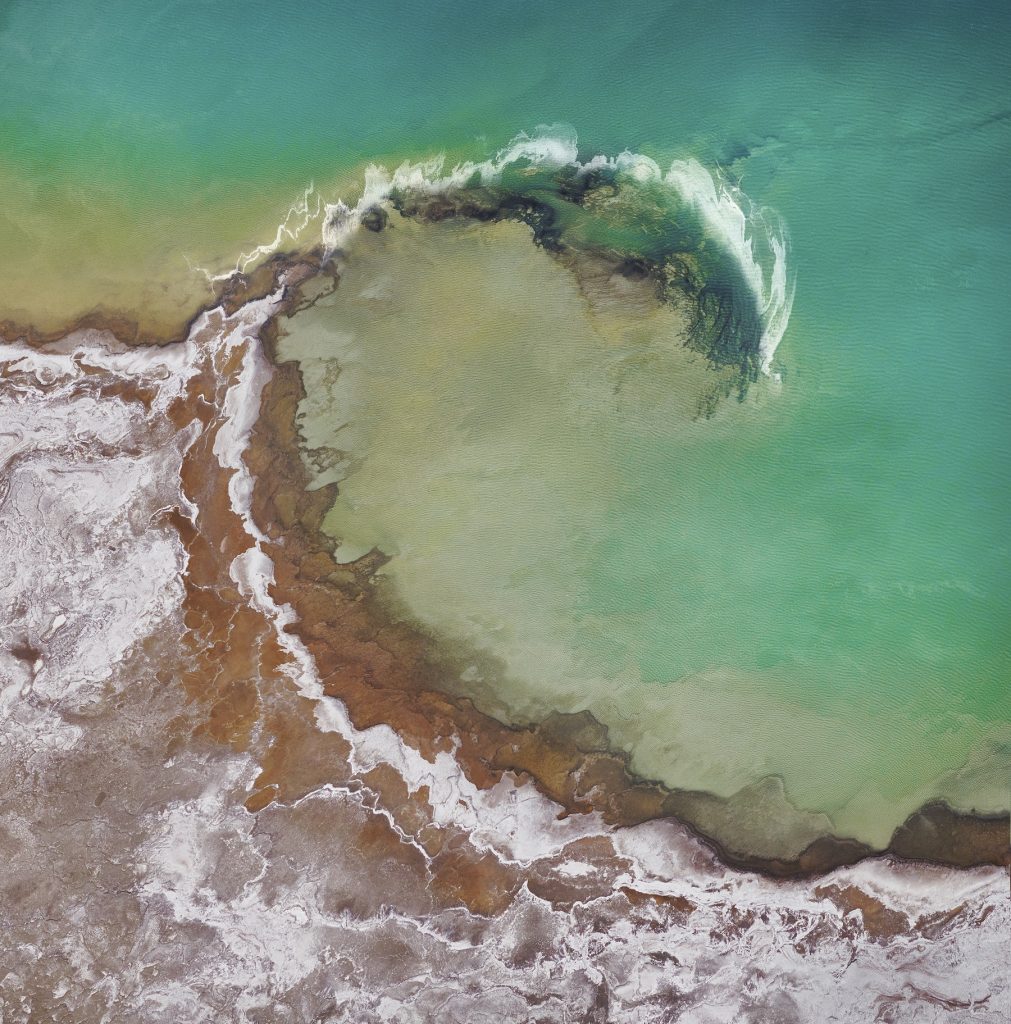
Taken at Boddington mine, this plays on riding the “wave” of the mining boom.
The Ethics of Beauty in Environmental Photography
It’s something I constantly think about. Turning industrial waste into art is inherently loaded. These are the scars of extraction, and yet they’re visually stunning. That contradiction sits at the heart of this work. It’s not about romanticising or condemning, it’s about seeing what’s there, showing it truthfully, and letting people feel what they feel.
Edward Burtynsky puts it best:
“I’m not trying to tell people what to think. I’m trying to show them something they’ve never seen.”
That line hits home for me. I’m not here to make a political point, but I also can’t pretend these places are just beautiful patterns. There’s more going on. By making people look, by catching them off guard with beauty, I hope they start to consider what it means.
It’s something I bring into my workshops and talks as well, because good photography doesn’t just look nice. It should have a subtle message that lingers.

I called this one “Trump” back in 2018
Tailings Ponds Around the World
WA isn’t alone in having these massive sites. Tailings ponds exist all over the world, and not all are safely managed. The 2019 Brumadinho disaster in Brazil was a tragic example of what can go wrong, a dam collapse that killed over 270 people and released toxic waste downstream. It was a sharp reminder of the risks.
The Global Tailings Portal maps hundreds of these dams worldwide and is an excellent resource for understanding the scale of this issue. It’s one I use regularly when researching international locations.
I’ve got future plans to expand the series into new regions—Chile, the US, Mongolia, and maybe parts of southern Africa. Each location has its own look, its own problems, and its own potential for story.

Alcoa again, which has been a steady source of my interest in these locations.
From Sky to Print
A large number of my most awarded works have come from this series. My tailings imagery has picked up first, second, and third in the International Photography Awards (IPA) over multiple years. Lumin took out the Abstract category win in the 2025 Fine Art Photography Awards, and several prints have placed in the APPAs here in Australia.
The response always fascinates me. People love the colours, the textures, the graphic quality, but once they learn what they’re actually looking at, their expression usually changes. That pause, that rethink, is part of the magic.
You can find these works in the International Print Series. They’re available in a range of fine art finishes, with some pieces offered as limited editions, signed and numbered. Custom sizes are always an option.
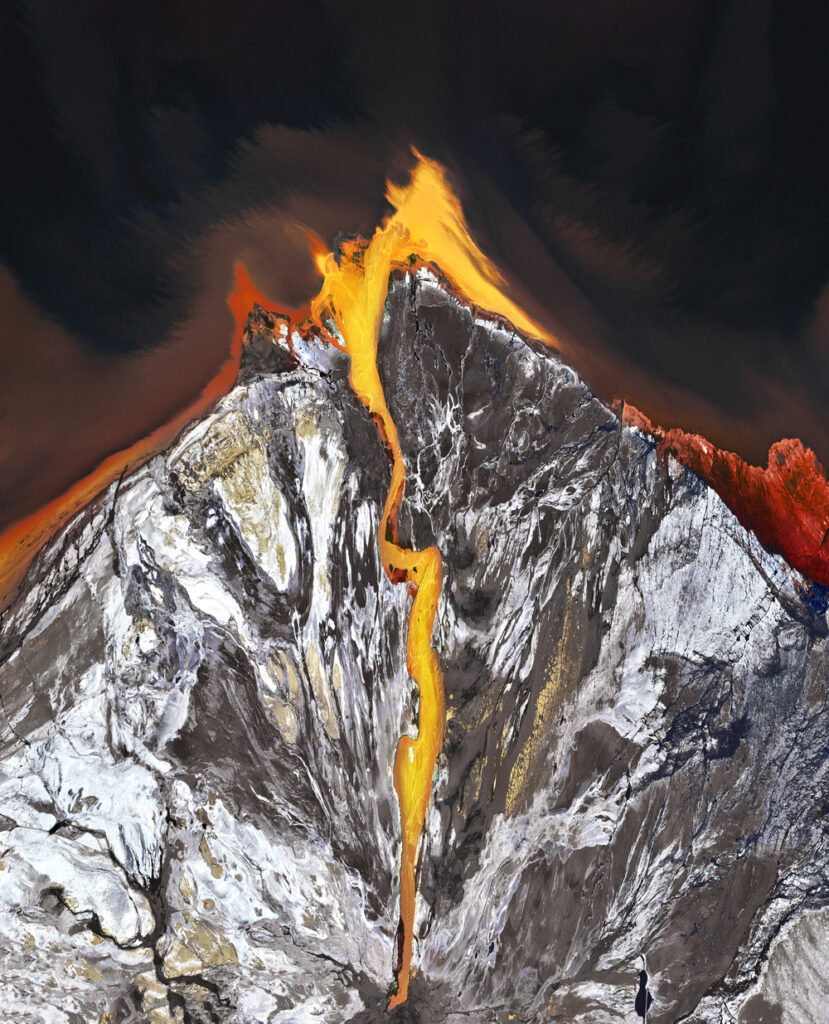
Taken near Pinjarra, This looked volcanic
Looking Forward
Tailings ponds shift constantly. They’re reshaped by wind, water, heat, and mining output. The colours deepen, fade, or morph into new ones overnight. This is why I keep going back. There’s always something new, always another version of the story to tell.
The more I shoot, the more questions I have. Can you admire something without endorsing it? Can art make us rethink what we’ve normalised? Can we use beauty to raise awareness instead of silence concern? These are the questions I ask myself every time I head up.
If this work speaks to you, I’d love for you to:
- Explore the International Print Series
- Check out my aerial photography workshops if you’re keen to experience these firsthand
- Or just follow along via Instagram or Threads to see the latest from the skies
This isn’t just about pictures. It’s about how we see the land beneath us and connecting you to it.
Written by Scott Jon McCook, 2025

